Ensuring access to safe and reliable drinking water remains a major challenge for many rural communities in Ecuador, including the community of Punin. The current water system faces structural, operational, and water-quality issues that threaten both service continuity and public health. To address these concerns, a water infrastructure improvement project has been proposed, emphasizing financial feasibility, phased implementation, water quality enhancement, community involvement, and rehabilitation of existing facilities. With a total budget of $16,728, the project is financially accessible while still capable of addressing the community’s most urgent needs. The investment focuses on repairing and upgrading the water storage system and catchment facilities, ensuring that improvements deliver strong benefits without placing a heavy burden on local residents.
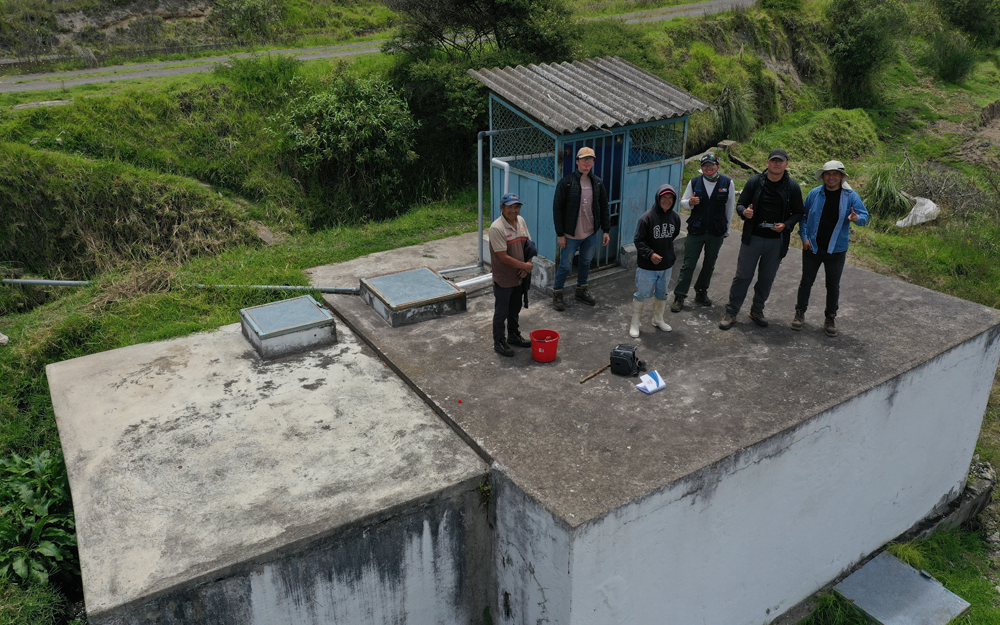
The project will be implemented in phases to ensure efficient use of resources. The first phase will strengthen water acquisitions and the initial stages of collection. Following this, repairs will target two malfunctioning storage tanks: the Wanglur tank, which cannot retain water properly, and the Morashuaico tank, which overflows frequently. Addressing these issues will stabilize water storage and improve overall system reliability. Improving water quality is another core component. Since several water parameters in Wanglur fall outside acceptable ranges, proper chlorination must be introduced. Updated physicochemical and microbiological tests are required to determine the appropriate chlorine dosage and ensure safe drinking water for the community.
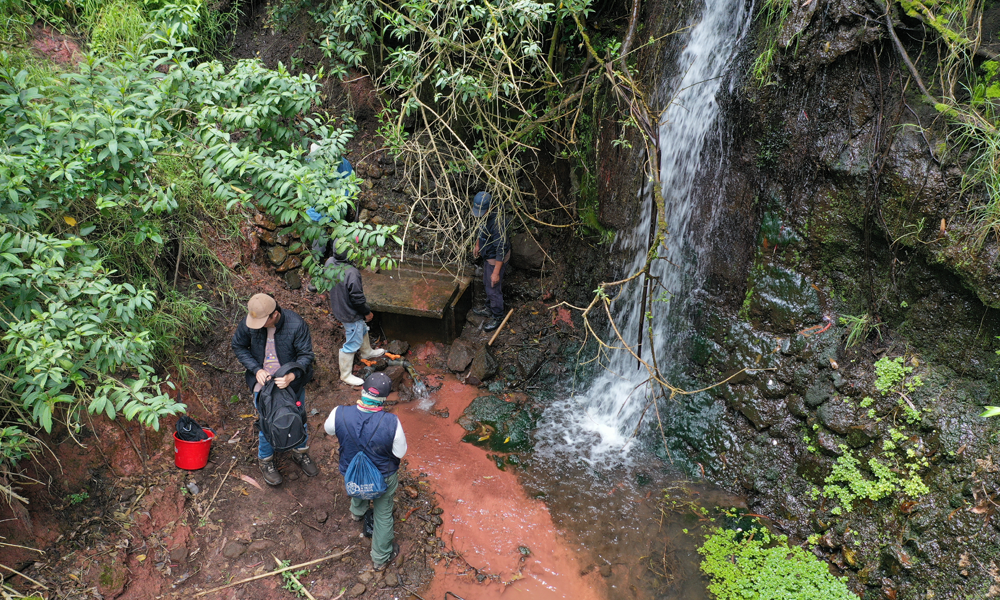
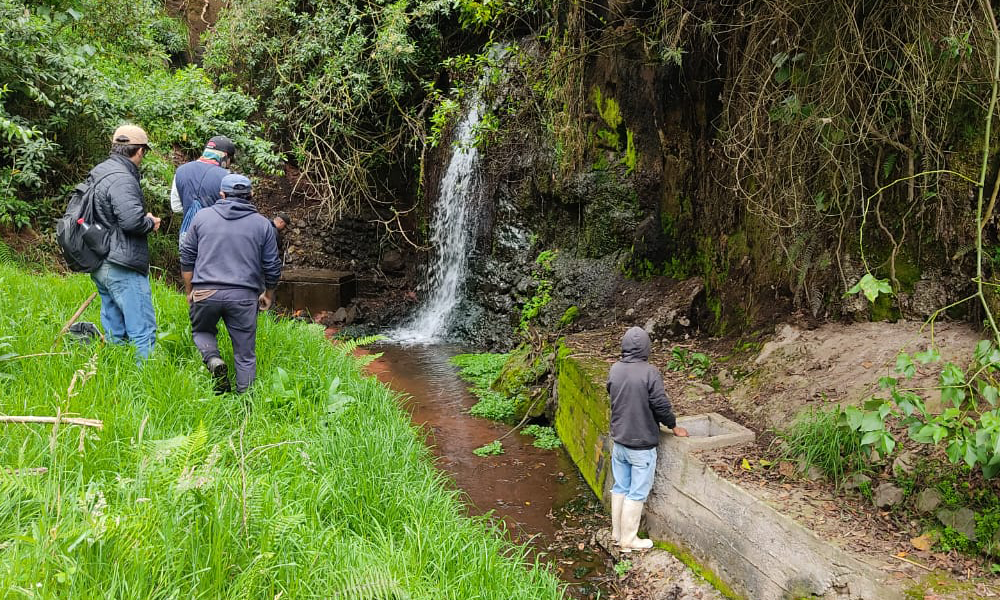
Sustaining these improvements will depend heavily on community participation. Training residents to operate and monitor the chlorination system will help maintain water quality long-term and promote local ownership of the system. Infrastructure assessments show that while the system remains functional, it requires maintenance. Deteriorated catchments, damaged concrete lids, and rusted covers must be repaired or replaced to protect water quality. At the household level, many connections are leaking, and water meters are rusted and inaccurate, contributing to water loss and inefficient use. Repairing these issues will improve distribution and encourage responsible consumption.
Overall, this project offers a practical and sustainable solution to Punin’s water challenges. By combining targeted repairs, improved water treatment, and active community involvement, it lays the foundation for a safer, more reliable water supply for current and future residents.